Understanding the Impact of Climate Change on Roofing Longevity Feb 07, 2026
The roof of a house is its first line of defense against the elements. With shifting weather patterns becoming more commonplace due to climate change, our roofs are expected to endure harsher conditions over time. Increased temperature extremes, heavier rainfall, and more frequent storms are some of the challenges modern roofs face. Each of these elements can significantly impact roofing materials, leading to premature wear and the need for early replacement.
As temperatures rise globally, roofs are exposed to prolonged sun exposure and increased heat. This can be particularly damaging to materials like asphalt shingles, which are prone to cracking and warping under sustained heat. Over time, this deterioration can lead to leaks and reduce the overall effectiveness of your roof. Customers looking to fortify their homes should consider heat-reflective materials or lighter-colored shingles, which can minimize heat absorption and prolong roof life.
Rainfall patterns have also shifted, with some areas experiencing more intense and frequent downpours. Heavy rain can challenge a roof's drainage system, potentially leading to water pooling and leaks, which may escalate to mold and structural damage if not immediately addressed. Investing in high-quality sealants and ensuring your roof’s drainage is unobstructed can make a significant difference in its resilience to heavy rains.
In addition to rainfall, the frequency of storms, including hail and windstorms, has increased. These conditions can cause extensive damage to even the most robust roofing systems. Hailstones can crack shingles, while strong winds can strip them away entirely. It's important for homeowners to regularly inspect their roofs and address damage promptly. Consideration should be given to impact-resistant roofing materials, which can offer much-needed durability against severe weather.
For the proactive homeowner, routine maintenance is key to maximizing roofing longevity in the face of climate change. Regular inspections, especially after extreme weather events, can catch potential issues before they escalate. Gutter systems should be kept clear to prevent water backups, and any damaged shingles should be replaced without delay. With these practices, you can extend the life of your roof despite the unpredictable weather patterns.
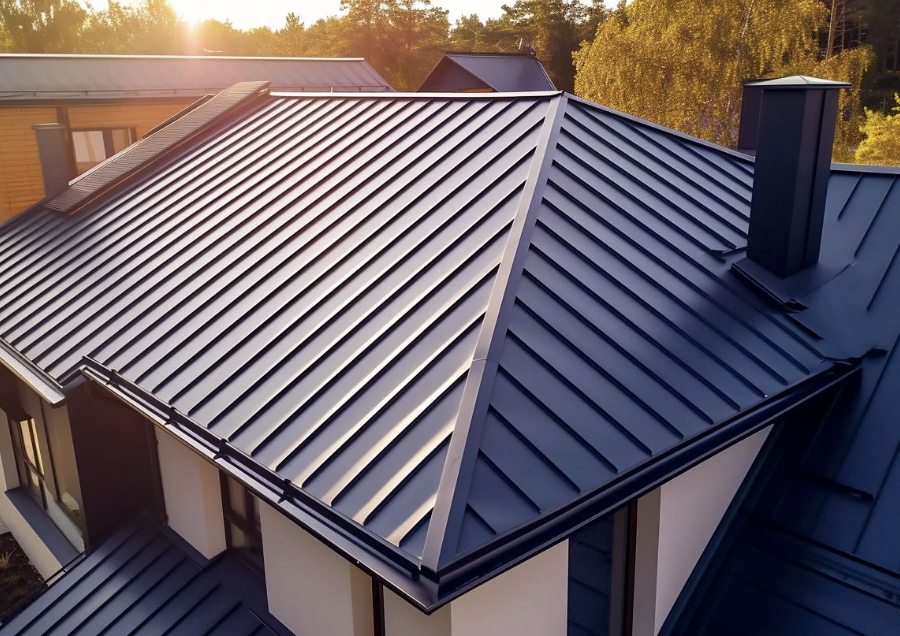
Ultimately, choosing the right materials is just as crucial. Metal roofs, for example, are gaining popularity for their durability and resistance to extreme weather. Similarly, composite materials designed to withstand diverse climates may offer a viable solution for many homes.
In conclusion, climate change presents several challenges to roofing longevity, but with informed choices and proactive maintenance, homeowners can protect their investments effectively. At RMD, we remain committed to staying ahead of industry trends, equipped with the latest solutions to help you adapt to changing climates. By understanding these impacts and taking preventative steps, you can ensure that your roof stands resilient against the forces of nature, safeguarding your home for years to come. For tailored advice and to explore your options, contact RMD today and let us assist you in reinforcing your home against the ever-evolving climate challenges.
/filters:no_upscale()/filters:format(webp)/media/ddc93f8e-cf50-4840-b57d-ff77e75cef47.jpeg)